การพัฒนาผลสัมฤทธิ์ทางการเรียน เรื่อง การใช้โปรแกรมไมโครซอฟท์เวิร์ดโดยใช้สื่อแอนิเมชันร่วมกับรูปแบบการสอนโดยการลงมือปฏิบัติของนักเรียนชั้นประถมศึกษาปีที่ 4
DOI:
https://doi.org/10.65205/jcct.2025.2303คำสำคัญ:
แอนิเมชัน, การเรียนรู้โดยการลงมือปฏิบัติเป็นฐาน, โปรแกรมไมโครซอฟท์เวิร์ดบทคัดย่อ
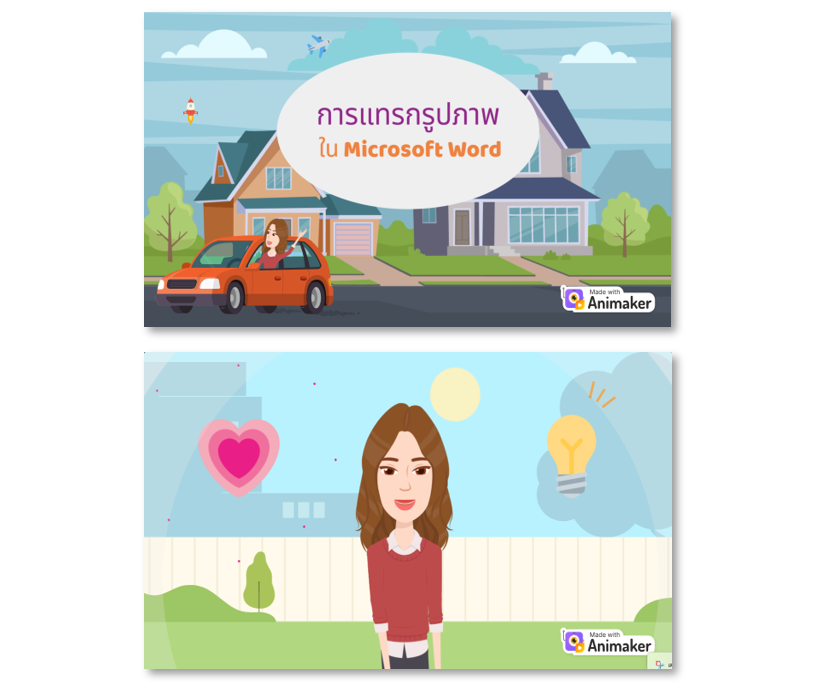
การวิจัยนี้มีวัตถุประสงค์ 1) เพื่อพัฒนาแอนิเมชัน เรื่อง การใช้โปรแกรมไมโครซอฟท์เวิร์ดของนักเรียนชั้นประถมศึกษาปีที่ 4 2) เพื่อพัฒนาผลสัมฤทธิ์ทางการเรียนของนักเรียนจากการจัดการเรียนรู้โดยใช้สื่อแอนิเมชัน เรื่อง การใช้โปรแกรมไมโครซอฟท์เวิร์ดร่วมกับรูปแบบการสอนโดยการลงมือปฏิบัติ 3) เพื่อศึกษาความพึงพอใจของนักเรียนที่มีต่อการจัดการเรียนการสอนโดยใช้แอนิเมชัน เรื่อง การใช้โปรแกรมไมโครซอฟท์เวิร์ดร่วมกับรูปแบบการสอนโดยการลงมือปฏิบัติ กลุ่มตัวอย่าง คือ นักเรียนชั้นประถมศึกษาปีที่ 4/7 โรงเรียนเมืองสุรินทร์ ถนนจางวาง ตำบลในเมือง อำเภอเมืองสุรินทร์ จังหวัด สุรินทร์ จำนวน 37 คน เครื่องมือที่ใช้ในงานวิจัยประกอบด้วย 1) แผนการจัดการเรียนรู้ จำนวน 1 แผน 2) สื่อแอนิเมชัน จำนวน 1 สื่อ 3) แบบทดสอบวัดผลสัมฤทธิ์ทางการเรียน และ 4) แบบสอบถามความพึงพอใจ สถิติที่ใช้ในงานวิจัย คือ ค่าเฉลี่ย ร้อยละ ส่วนเบี่ยงเบนมาตรฐานและการทดสอบที่แบบไม่อิสระต่อกันผลการวิจัยพบว่า 1) สื่อการเรียนการสอนแอนิเมชันร่วมกับการสอนโดยการลงมือปฏิบัติ มีประสิทธิภาพของกระบวนการระหว่างการจัดกิจกรรมการเรียนรู้ (E1) มีค่าเฉลี่ยเท่ากับ 36.34 คิดเป็นร้อยละ 91.62 และประสิทธิภาพของผลหลังการเรียนการทำแบบทดสอบ (E2) มีค่าเฉลี่ยเท่ากับ 16.67 คิดเป็นร้อยละ 83.38 เมื่อพิจารณาแล้วพบว่า มีประสิทธิภาพสูงกว่าเกณฑ์ที่กำหนด 80/80 2) คะแนนเฉลี่ยจากการจัดการเรียนรู้โดยใช้สื่อแอนิเมชันร่วมกับการสอนโดยการลงมือปฏิบัติ ของนักเรียนก่อนเรียน มีค่าเฉลี่ยเท่ากับ 8.51 คะแนน และหลังเรียน มีค่าเฉลี่ยเท่ากับ 16.67 คะแนน ทั้งนี้จากการทดสอบความแตกต่างของค่าเฉลี่ย จากการจัดการเรียนรู้โดยใช้สื่อแอนิเมชันร่วมกับการสอนโดยการลงมือปฏิบัติ สรุปได้ว่า ผลสัมฤทธิ์ทางการเรียนหลังเรียนสูงกว่าก่อนเรียนอย่างมีนัยสำคัญทางสถิติที่ระดับ .05 และ 3) ความพึงพอใจของนักเรียนที่เรียนโดยใช้สื่อแอนิเมชันร่วมกับการสอนโดยการลงมือปฏิบัติ ของนักเรียนชั้นประถมศึกษาปีที่ 4 มีความพึงพอใจอยู่ในระดับมากที่สุด ค่าเฉลี่ยเท่ากับ 4.67, S.D. เท่ากับ 0.46
Downloads
เอกสารอ้างอิง
Brodie, K. (2014). Sustained Shared Thinking in the Early Years: Linking Theory to Practice. Routledge. https://doi.org/10.4324/9781315774497.
Chatchawanpreecha, D. (2023). Activity-based Learning to Enhance Learning Achievement Using Activity Sets: A Study on Changes of Objects and Materials in Science and Technology for Grade 3 Students at Ban San Champa Community School, Chiang Rai Province. Research Report. Ban San Champa Community School. (In Thai)
Damjub, W. (2023). Animation Media Design for Teaching Development. Sripatum Chonburi Interdisciplinary Journal, 9(1), 1 - 20. (In Thai)
Dick, W., Carey, L., & Carey, J. O. (2011). The Systematic Design of Instruction (7th ed.). Pearson.
Kolb, D. A. (1984). Experiential Learning: Experience as the Source of Learning and Development. Prentice Hall.
Mandin, S. R., Martin, A. B., Abatol, S. A. M. C., & Bansale, J. C. (2025). Grade 8 Students’ Academic Achievement in World History Using Jigsaw. Indonesian Journal of Education and Pedagogy, 2(1), 1 - 10. https://doi.org/10.61251/ijoep.v2i1.93.
Manin, T., Sawagpun, P., & Kijkuakul, S. (2015). A Study of Academic Achievement and Awareness in the Five Precepts Buddhism of Prathomsuksa 6 Students When Using Cartoon Animation. Journal of Education Naresuan University, 16(4), 146 - 154. (In Thai)
Mayer, R. E. (2009). Multimedia Learning (2nd ed.). Cambridge University Press.
Moolka, S. (2002). Complete Guide to Being a Facilitator. Phap Phim Publishing. (In Thai)
Noipong, S., & Sungkavadee, K. (2016). The Use of 2D Animation with Achievement of Wonderland Forest Subject for Grade 9 Students. Journal of Southern Technology, 9(1), 7 - 11. (In Thai)
Piromkaew, P., & Kanperm, J. (2015). The Development of Animated Cartoon on Howdy English for Prathomsuksa 2 Students. VRU Research and Development Journal Humanities and Social Science, 10(2), 311 - 317. (In Thai)
Pueanthim, N. (2024). Developing Practice-Based Learning Activities to Enhance Fashion Design Skills Using Local Products for Fine Arts Students. Interdisciplinary Academic and Research Journal, 4(4), 37 - 52. https://doi.org/10.60027/iarj.2024.2768210. (In Thai)
Rohland, L. (2023). Practice (Learning Method). https://www.ebsco.com/research-starters/religion-and-philosophy/practice-learning-method.
Sansuwan, P., & Thepnuan, N. (2020). The Development of Cartoon Animation on Mathematical Problems Solution Through Characters in Thai Folk Tale that Affects Skills Solving Mathematical Problems for Primary 4 (Grade 4) Students. Journal of Buddhist Anthropology, 5(4), 220 - 233. (In Thai)
Srisodapon, S., & Dangchamroon, A. (2024). The Development of Animations on the Biography of Exemplary Buddhist Disciples and Jataka Tales for Grade 9 Students at Rasisalai School. Journal of Modern Learning Development, 9(7), 58 - 72. (In Thai)
Thaluang, C., & Rungsoongnern, P. (2024). The Study Results of Perception and Satisfaction of Elementary School Students with 2D Animation Cartoon: Primal Hunter. Journal of Applied Informatics and Technology, 6(2), 242 - 261. https://doi.org/10.14456/jait.2024.14. (In Thai)
Uppala, S. (2022). Developing Learning Achievement on Plant Propagation Through Practical Learning for Grade 10 Students at Rajaprachanukroh 15 School (Wiang Kao Saenphu Witthayaprasart). Research Report. Rajaprachanukroh 15 School. (In Thai)
ดาวน์โหลด
เผยแพร่แล้ว
รูปแบบการอ้างอิง
ฉบับ
ประเภทบทความ
หมวดหมู่
สัญญาอนุญาต
ลิขสิทธิ์ (c) 2025 วารสารคอมพิวเตอร์และเทคโนโลยีสร้างสรรค์

อนุญาตภายใต้เงื่อนไข Creative Commons Attribution-NonCommercial-NoDerivatives 4.0 International License.