การบริหารการศึกษาในการขับเคลื่อนแผนยุทธศาสตร์ชาติเพื่อพัฒนาทักษะการเรียนรู้ของนักเรียนในจังหวัดระยอง
Article Sidebar
Main Article Content
บทคัดย่อ
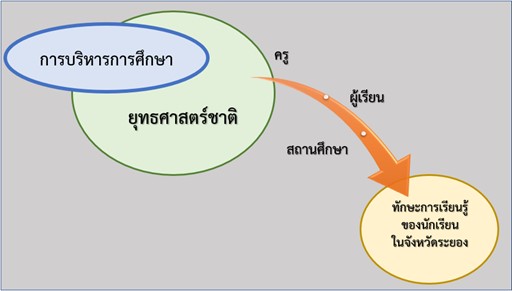
บทบาทของการบริหารการศึกษาในการขับเคลื่อนแผนยุทธศาสตร์ชาติ 20 ปี เพื่อพัฒนาทักษะการเรียนรู้ของนักเรียนในจังหวัดระยอง เป็นการการพัฒนาทักษะที่จำเป็นในศตวรรษที่ 21 และการปลูกฝังคุณธรรม จริยธรรม ให้สอดคล้องกับความต้องการของโลกยุคใหม่และทิศทางการพัฒนาประเทศ โดยคำนึงถึงความสำคัญและความเชื่อมโยงของประเด็นต่างๆ เช่น แนวคิด ทฤษฎี และงานวิจัยที่เกี่ยวข้องกับการบริหารการศึกษา การพัฒนาทักษะการเรียนรู้ และแผนยุทธศาสตร์ชาติ ถ่ายทอดออกมาเป็นการนำเสนอแนวทางการนำการบริหารการศึกษาไปประยุกต์ใช้ในการขับเคลื่อนแผนยุทธศาสตร์ชาติในสถานศึกษาจังหวัดระยอง ด้วยขั้นตอนของการวิเคราะห์และประเมินสถานการณ์ปัจจุบัน การกำหนดวิสัยทัศน์และเป้าหมาย การออกแบบและพัฒนาหลักสูตร การพัฒนาครูและบุคลากรทางการศึกษา การสร้างสภาพแวดล้อมที่เอื้อต่อการเรียนรู้ การใช้เทคโนโลยี ในการเรียนการสอน การส่งเสริมการมีส่วนร่วมของทุกภาคส่วน ตลอดจนการติดตาม ประเมินผล และปรับปรุง เพื่อให้เกิดผลเชิงบวกต่อผู้เรียน ครู บุคลากรทางการศึกษา สถานศึกษา และภาพรวมของจังหวัดระยอง โดยคาดหวังว่าการบริหารการศึกษาที่มีประสิทธิภาพจะช่วยสร้างกำลังคนที่มีคุณภาพและศักยภาพสูง ซึ่งจะเป็นแรงขับเคลื่อนสำคัญในการพัฒนาเศรษฐกิจและสังคมของจังหวัดระยองในระยะยาว
Article Details
เอกสารอ้างอิง
กระทรวงศึกษาธิการ. (2560). หลักสูตรแกนกลางการศึกษาขั้นพื้นฐาน พุทธศักราช 2551 (ฉบับปรับปรุง พ.ศ. 2560). กรุงเทพมหานคร: โรงพิมพ์ชุมนุมสหกรณ์การเกษตรแห่งประเทศไทย จำกัด.
เกรียงศักดิ์ เจริญวงศ์ศักดิ์. (2562). การศึกษาเพื่อการพัฒนาที่ยั่งยืน. วารสารศึกษาศาสตร์ มหาวิทยาลัยศรีนครินทรวิโรฒ, 30(2), 1-10.
ชัยยงค์ พรหมวงศ์. (2552). การบริหารการศึกษาเพื่อการเปลี่ยนแปลง. กรุงเทพมหานคร: สำนักพิมพ์แห่งจุฬาลงกรณ์มหาวิทยาลัย.
ดารุณี จิระวัฒน์กุล. (2563). ภาวะผู้นำการเปลี่ยนแปลงเพื่อพัฒนาผู้เรียนในศตวรรษที่ 21. วารสาร Veridian E-Journal, Silpakorn University ฉบับภาษาไทย สาขามนุษยศาสตร์ สังคมศาสตร์ และศิลปะ, 13(3), 3260-3275.
ธีรวุฒิ บุณยโสภณ. (2564). การบริหารการศึกษาเพื่อพัฒนาคุณภาพผู้เรียน. กรุงเทพมหานคร: จุฬาลงกรณ์มหาวิทยาลัย.
นพพงษ์ บุญจิตราดุล. (2546). การบริหารการศึกษา. กรุงเทพมหานคร: โอเดียนสโตร์.
นิเวศน์ วงศ์สุวรรณ และอินถา ศิริวรรณ. (2560). การบริหารแบบมีส่วนร่วม. วารสารมหาจุฬาวิชาการ, 4(1), 176-187.
ปิติ ศรีแสงนาม. (2558). การพัฒนาศักยภาพคนไทย. วารสารวิจัยและพัฒนา มหาวิทยาลัยขอนแก่น, 10(2), 81-92.
ยุพิน พิพิธกุล. (2551). ภาวะผู้นำ. กรุงเทพมหานคร: สำนักพิมพ์แห่งจุฬาลงกรณ์มหาวิทยาลัย.
วรากรณ์ สามโกเศศ. (2561, 23 พฤศจิกายน). การปฏิรูปการศึกษาไทย. มติชนสุดสัปดาห์, น. 3.
วีระชาติ กิเลนทอง. (2562). ภาวะผู้นำกับการจัดการศึกษา. วารสารวิชาการมหาวิทยาลัยอีสเทิร์นเอเชีย ฉบับสังคมศาสตร์และมนุษยศาสตร์, 9(2), 1-13.
ศรีสมภพ จิตร์ภิรมย์ศรี. (2550). การบริหารการศึกษา: แนวคิด ทฤษฎี และหลักปฏิบัติ. กรุงเทพมหานคร: จุฬาลงกรณ์มหาวิทยาลัย.
สมเกียรติ ตั้งกิจวานิชย์. (2563). การปฏิรูปการศึกษาไทย. แหล่งที่มา https://www.bangkokbiznews.com/ สืบค้นเมื่อ 13 สิงหาคม 2567.
สำนักงานคณะกรรมการการศึกษาขั้นพื้นฐาน. (2563). แผนปฏิบัติการด้านการศึกษาเพื่อพัฒนาทักษะในศตวรรษที่ 21 พ.ศ. 2563-2565. กรุงเทพมหานคร: สำนักงานคณะกรรมการการศึกษาขั้นพื้นฐาน.
สำนักงานสภาพัฒนาการเศรษฐกิจและสังคมแห่งชาติ. (2561). แผนยุทธศาสตร์ชาติ 20 ปี (พ.ศ. 2561-2580). กรุงเทพมหานคร: สำนักงานสภาพัฒนาการเศรษฐกิจและสังคมแห่งชาติ.
สุพัตรา สิทธิคงตั้ง. (2563). ความสัมพันธ์ระหว่างภาวะผู้นำเชิงจริยธรรมของผู้บริหารกับความผูกพันในองค์กรของครูโรงเรียน คริสเตียนสังกัดมูลนิธิแห่งสภาคริสตจักรในประเทศไทย เขตจังหวัดเชียงราย-เชียงใหม่. วารสารสังคมศาสตร์วิชาการ, 13(1), 178-194.
สุรพล พะยอมแย้ม. (2544). จิตวิทยาพื้นฐานสำหรับการศึกษา. นครปฐม: คณะศึกษาศาสตร์มหาวิทยาลัยศิลปากร.
อรรถสิทธิ์ ฐาปนะดิลก และคณะ. (2563). ปัจจัยที่มีผลต่อประสิทธิผลของการบริหารงานในสายงานสนับสนุนของศาลยุติธรรม. วารสารสันติศึกษาปริทรรศน์ มจร, 8(3), 1011-1023.
อัมมาร สยามวาลา. (2559). การพัฒนาทุนมนุษย์. วารสารเศรษฐศาสตร์ จุฬาลงกรณ์มหาวิทยาลัย, 41(1), 55-70.
Fullan, M. (2014). Leading in a culture of change. San Francisco: Jossey-Bass.
Hallinger, P. (2015). Leadership for learning in a data-rich world. School Leadership & Management, 35(1), 3-14.
Howard Gardner. (1993). Multiple intelligences: The theory in practice. Basic books.
John Dewey. (1938). Experience and education. Touchstone.
Leithwood, K., Harris, A., & Hopkins, D. (2020). Seven strong claims about successful school leadership revisited. School Leadership & Management, 40(1), 5-22.
Lev Vygotsky. (1978). Mind in society: The development of higher psychological processes. Harvard university press.
Partnership for 21st Century Learning. (2019). Framework for 21st Century Learning. แหล่งที่มา https://www.battelleforkids.org/networks/p21 สืบค้นเมื่อ 13 สิงหาคม 2567.
Daniel A. Wren, Authur G. Bedeian and John D. Breeze. (2002). The foundations of Henri Fayol’s administrative theory. แหล่งที่มา https://www.mosaicprojects.com.au/WhitePapers/WP1094_ Foundations_Fayols_Theory.pdf สืบค้นเมื่อ 13 สิงหาคม 2567.
McGregor. (1960). The Human Side of Enterprise. New York: McGraw-Hill.
